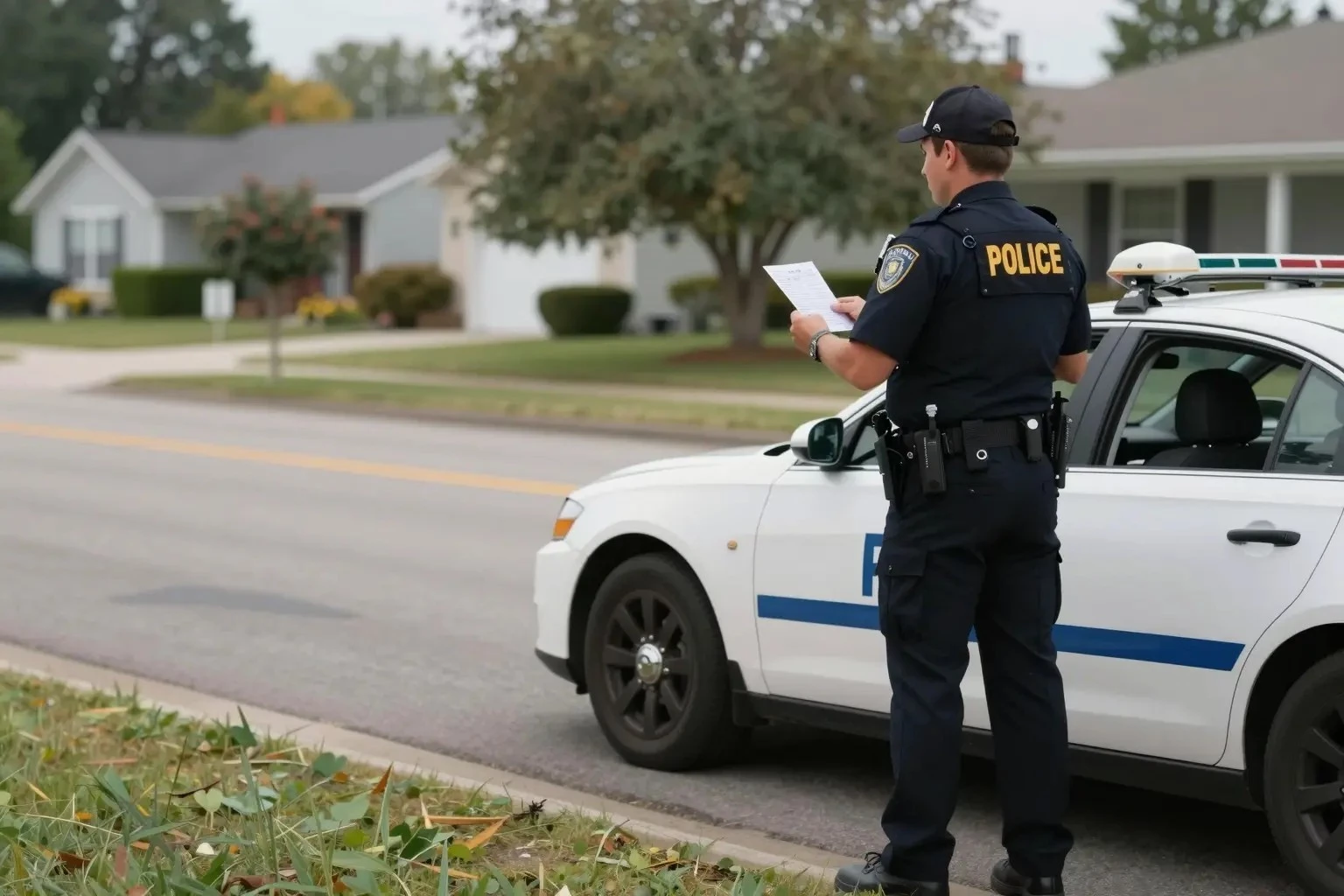
Speeding tickets are one of the most common forms of traffic violation encountered by drivers across the world․ But what exactly constitutes a speeding ticket, and is it considered a moving violation? In this comprehensive article, we will explore the nature of speeding tickets, their classification as moving violations, and the implications for drivers․
Understanding Traffic Violations
Traffic laws are regulations established to ensure road safety and the orderly flow of motor vehicles․ Violating these laws can lead to various types of driving offenses, broadly categorized into moving and non-moving violations․
Moving Violations
A moving violation occurs when a vehicle is in motion and the driver breaks a traffic law․ Common examples include running a red light, failing to stop at a stop sign, and, notably, speeding offenses․ These violations are directly related to the operation of the vehicle and can potentially endanger public safety․
Non-Moving Violations
In contrast, non-moving violations typically involve stationary vehicles․ Examples include parking tickets, expired registration, or illegal parking․ These violations generally do not impact a driver’s safety record as significantly as moving violations․
Speeding Tickets: A Common Moving Violation
A speeding ticket is a specific type of moving violation that occurs when a driver exceeds the posted speed limit․ Speed limits are set to optimize traffic flow and ensure the safety of all road users․ Exceeding these limits is considered a breach of traffic regulations and is subject to enforcement by law enforcement agencies such as the highway patrol․
Legal Consequences of Speeding Tickets
Receiving a speeding ticket can have several legal consequences․ Primarily, it results in a citation, which is a formal notice that you’ve violated traffic laws․ This citation typically involves a fine, which varies based on the severity of the offense, the specific location, and any prior driving record of the individual․
Penalty Points and Driver’s License
Additionally, many jurisdictions employ a penalty points system, where points are added to a driver’s driver’s license for each moving violation․ Accumulating too many points can lead to further consequences, such as increased insurance premiums, mandatory driving courses, or even the temporary suspension of the driver’s license․
Traffic Court and Speeding Offenses
Drivers have the option to challenge a speeding ticket in traffic court․ During these proceedings, evidence such as speed detection methods used by law enforcement or the accuracy of the speedometer can be reviewed․ If a driver is found not guilty, the ticket can be dismissed, and no points are added to the driving record․
Impact on Road Safety
Speeding is a significant contributor to road accidents and fatalities worldwide, making it a critical focus of safety regulations․ By enforcing speed limits and penalizing speeding offenses, authorities aim to deter risky driving behaviors and enhance overall road safety․
Role of Law Enforcement
Law enforcement plays a vital role in maintaining road safety by monitoring traffic and issuing citations for violations․ The presence of law enforcement on roads serves as a deterrent for speeding and other hazardous driving practices․