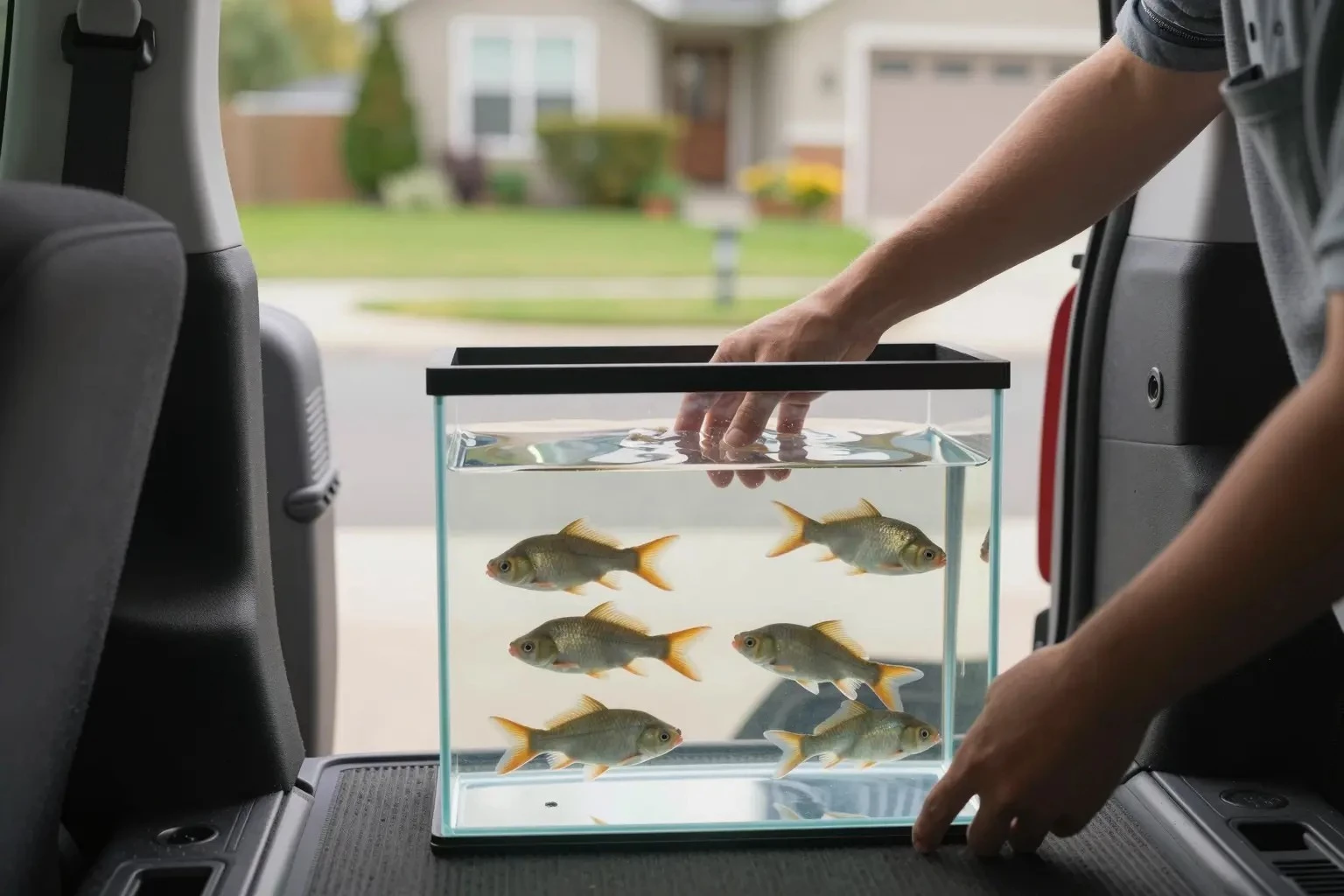
Relocating an aquarium can be a daunting task, not just for you, but also for the aquatic life that calls it home. Fish, as delicate creatures, require special care and attention during a move to ensure their safety and well-being. This guide provides comprehensive instructions to help you manage the relocation of your fish tank smoothly and securely.
Preparation for Moving Day
Proper preparation is crucial for the successful transportation of your fish and aquarium. Here are essential steps to follow:
- Research and Plan: Understand the requirements for moving your specific type of fish and aquarium setup. Each species may have unique needs regarding oxygen, temperature, and handling.
- Gather Equipment: Collect necessary items such as fish bags, oxygen supplies, containers, and filtration systems. Having the right equipment is vital to maintain water quality and minimize stress for your fish.
- Prepare a Temporary Habitat: Set up a temporary habitat using containers that are secure and appropriately sized for your fish, ensuring they are comfortable during the journey.
Packing the Aquarium
Safe packing of your fish tank and accessories is imperative to prevent damage and ensure a smooth transition:
Fish Tank
- Drain the Tank: Carefully remove all water from the fish tank, leaving just enough moisture to keep the substrate wet.
- Secure the Tank: Use bubble wrap or towels to protect the glass and secure the tank within a sturdy box to prevent movement during transit.
Aquatic Life
- Use Fish Bags: Place your fish in fish bags filled with water from the aquarium, ensuring there’s enough space for air. Oxygenate the bags if possible to maintain appropriate oxygen levels.
- Temperature Control: Maintain a stable temperature within the bags by using insulated containers or coolers.
Accessories and Equipment
- Filtration Systems: Clean and dry filtration equipment before packing. Transport these items separately in secure boxes.
- Decorations and Plants: Keep these moist during transit by wrapping them in damp paper towels and packing them in containers.
Transportation Guidelines
Transporting your fish safely involves careful attention to detail:
- Secure the Environment: Ensure all containers are tightly sealed and placed in a stable position within the vehicle to prevent tipping or sudden movements.
- Monitor Conditions: Regularly check the temperature and oxygen levels during the journey, making adjustments as necessary to keep the fish comfortable.
- Handle with Care: Minimize handling of the bags and containers to reduce stress on the fish.
Acclimation at the New Location
Upon arrival, it’s crucial to acclimate your fish to their new environment carefully:
- Set Up the Aquarium: Reassemble the fish tank, install the filtration system, and fill it with water, ensuring the temperature and pH levels match those of the transport bags.
- Acclimate the Fish: Gradually introduce the fish to the new tank by floating the bags in the aquarium to equalize the temperature. Slowly add small amounts of aquarium water to the bags over several hours.
- Release the Fish: Once acclimated, gently release the fish into the tank, taking care not to introduce any of the transport water to the new environment.
Maintaining Water Quality
Ensuring optimal water quality is vital for the health of your fish in their new home:
- Check Filtration: Verify that the filtration system is working effectively to maintain clean and healthy water conditions.
- Monitor Parameters: Regularly test the water for ammonia, nitrite, nitrate, and pH levels to prevent stress and illness in your fish.
- Observe Behavior: Watch your fish closely after the move for any signs of stress or illness, and make adjustments as needed.
Moving day for your fish and aquarium doesn’t have to be stressful. With the right preparation, equipment, and attention to detail, you can ensure a safe and smooth transition for your aquatic life. Remember to follow these guidelines and instructions to protect your fragile fish and their habitat during the journey to their new home.