Riddles have always been a fascinating part of human culture, engaging our minds and challenging our perceptions. One such intriguing riddle is: “What goes up and down the stairs without moving?” This question seems paradoxical at first, as movement is typically associated with the act of going up or down. However, the solution to this riddle lies in understanding the nature of stairs and their architectural design. In this article, we will delve into the elements of stairs, the concept of movement, and the mysterious answer to this riddle.
The Nature of Stairs
Stairs are a fundamental component of architecture, allowing for vertical movement between different levels of a building. They consist of a series of steps designed to facilitate ascent and descent. The design of stairs can vary greatly, from simple straight flights to elaborate spiral configurations. Despite these variations, all stairs serve the primary function of overcoming the force of gravity, enabling movement from one level to another.
Architectural Design of Stairs
The architecture and design of stairs are crucial in ensuring safety, functionality, and aesthetic appeal. Architects must consider factors such as the angle of ascent, the height of each step, and the width of the staircase. The design must accommodate the intended use, whether for a residential home or a public building. In addition to these practical considerations, stairs often serve as architectural focal points, enhancing the overall design of a space.
Steps and Levels
Each staircase is composed of individual steps, each one a platform that aids in the ascent or descent. The levels or landings within a stairway provide rest points and can influence the perception of the staircase’s movement. Yet, despite their roles in facilitating movement, the steps themselves remain stationary, fixed in place by their design and construction.
The Concept of Movement
Movement is an essential aspect of human activity, allowing us to navigate our environments. Stairs, by their very nature, are designed to facilitate this movement. When we think of going up or down stairs, we envision the physical act of moving our bodies from one step to another; However, the riddle challenges this notion by asking us to consider what can go up and down without the need for movement.
Gravity and Its Role
Gravity plays a crucial role in the function of stairs. It is the force that we work against when ascending and the force that aids us when descending. The design of stairs takes gravity into account, providing a structure that supports our movement while ensuring safety. Yet, gravity itself is not a physical object that can move up or down the stairs. It is a constant force acting upon us and the stairs themselves.
Solving the Riddle
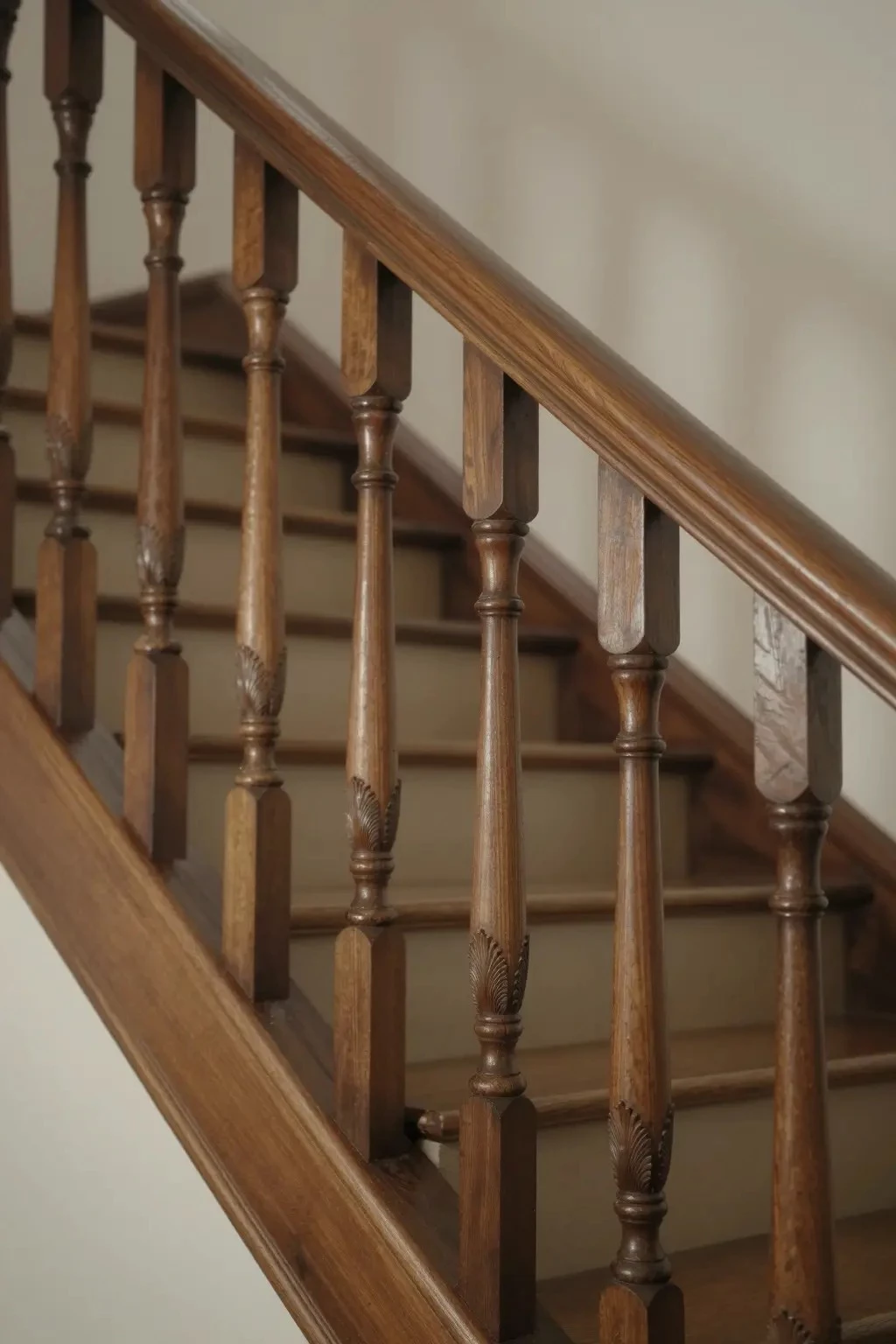
So, what indeed goes up and down the stairs without moving? The answer to this riddle is “the carpet” or “the railing.” These elements are integral to the staircase, present throughout the ascent and descent, yet they remain stationary and do not move themselves. They are part of the architectural design, contributing to the functionality and aesthetics of the staircase without requiring movement.
The Carpet
A carpet on the stairs is a common feature in many homes and buildings. It provides a non-slip surface, enhancing safety and comfort. The carpet runs up and down the stairs, covering each step and landing, yet it remains firmly in place. It assists in the movement of people, providing traction and cushioning, but it does not move itself.
The Railing
Similarly, the railing is a stationary component that runs alongside the stairs, offering support and stability. It allows individuals to grasp it while moving up or down, providing balance and confidence. Like the carpet, the railing is an essential part of the staircase, going up and down without ever moving from its fixed position.
The Significance of Stairs in Architecture
Stairs hold a significant place in architecture, not only for their functional role but also for their symbolic meaning. They represent progress, transition, and the journey from one level to another. The ascent and descent on stairs can symbolize personal growth, challenges, and achievements. Architects often use stairs as a metaphor in their designs, creating structures that inspire and motivate.
Stairs in Modern Design
In contemporary architecture, stairs are often used as striking design elements. Open staircases, floating steps, and innovative materials create visual interest and enhance the aesthetic of a space. The design of stairs can reflect the style and ethos of a building, from minimalistic and modern to ornate and classical.
The riddle “What goes up and down the stairs without moving?” invites us to think beyond the obvious and consider the stationary elements that play a crucial role in our movement. The carpet and railing, while fixed in place, are integral to the function and safety of stairs. They exemplify how architectural design can incorporate stationary elements to facilitate movement and enhance our experience of space. As we navigate the steps and levels of life, these stationary features remind us of the unseen support that guides our ascent and descent.