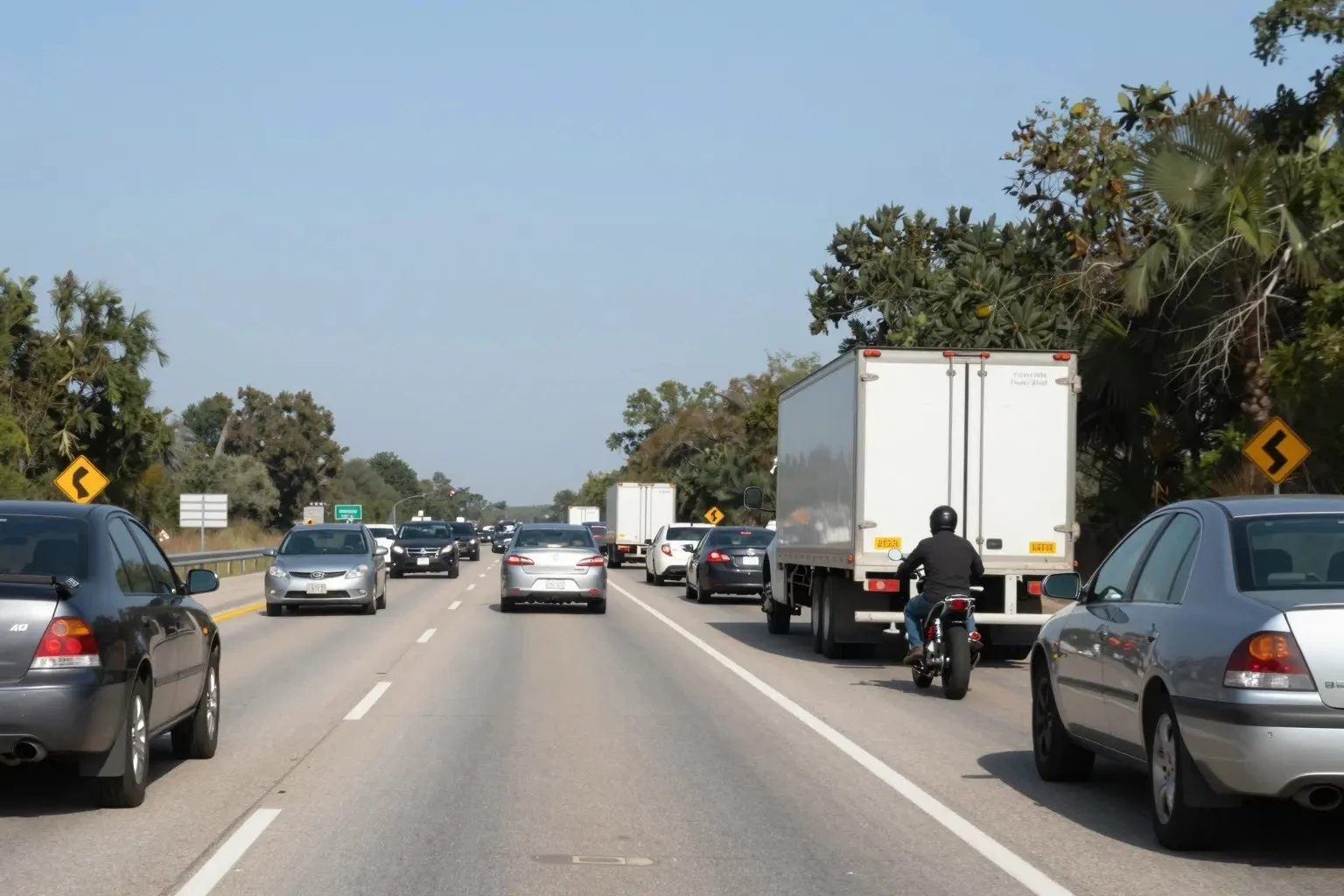
Moving violations are a common concern for drivers across the United States, and Texas is no exception. These violations involve any breach of traffic laws that occur while a vehicle is in motion. Understanding moving violations in Texas is crucial, as they can lead to severe consequences, including fines, penalties, and points on your driver’s license.
Common Moving Violations in Texas
In Texas, moving violations encompass a variety of offenses that can compromise road safety. Here are some of the most common:
- Speeding: Exceeding the posted speed limits is perhaps the most frequently cited moving violation.
- Running Red Lights or Stop Signs: Ignoring traffic signals is a serious offense that endangers all road users.
- Reckless Driving: This involves operating a vehicle with a willful disregard for safety.
- Improper Lane Changes: Changing lanes without signaling or checking for other vehicles can lead to accidents.
- Failure to Yield: Not allowing other vehicles or pedestrians the right of way when required.
Texas Law and Traffic Violations
Texas law is stringent when it comes to traffic violations. The Texas Vehicle Code outlines the rules of the road that all drivers must follow. Law enforcement officers are vigilant in issuing traffic tickets or citations to those who disregard these rules.
Penalties and Fines
Traffic violations in Texas can lead to hefty fines and other penalties. The exact amount of fines can vary based on the severity of the offense and the driver’s history. For instance, a first-time speeding violation might result in a fine of $150, whereas repeat offenses could incur higher penalties.
Points System
Texas employs a points system to track moving violations. Each infraction adds points to a driver’s record, which can lead to increased insurance rates and potential suspension of the driver’s license. For example:
- Speeding less than 10% over the limit: 2 points
- Speeding more than 10% over the limit: 3 points
- Accidents caused by moving violations: 3 points
Driver’s License Implications
Accumulating too many points on your driver’s license can result in suspension. Typically, reaching six points can trigger a surcharge, which is an additional fine that must be paid annually. Continued violations can lead to license suspension.
Court Appearance
For more severe moving violations, a court appearance may be required. This includes cases of reckless driving, driving under the influence, or causing significant accidents. Failing to appear in court can result in additional fines and penalties, including potential jail time.
Defensive Driving Courses
In some cases, Texas law allows drivers to attend a defensive driving course to dismiss a ticket or reduce points on their license. This option is typically available for minor offenses and can be a valuable way to avoid accumulating too many points.
Ensuring Road Safety
Moving violations are taken seriously in Texas due to their impact on road safety. The goal of law enforcement is to ensure the safety of all road users by enforcing traffic laws and penalizing those who violate them.
Understanding moving violations and their consequences is essential for all drivers in Texas. Adhering to traffic laws not only helps avoid fines, penalties, and points on your license but also contributes to safer roads for everyone. Remember, safe driving habits are the best way to prevent moving violations and ensure the safety of yourself and others on the road.