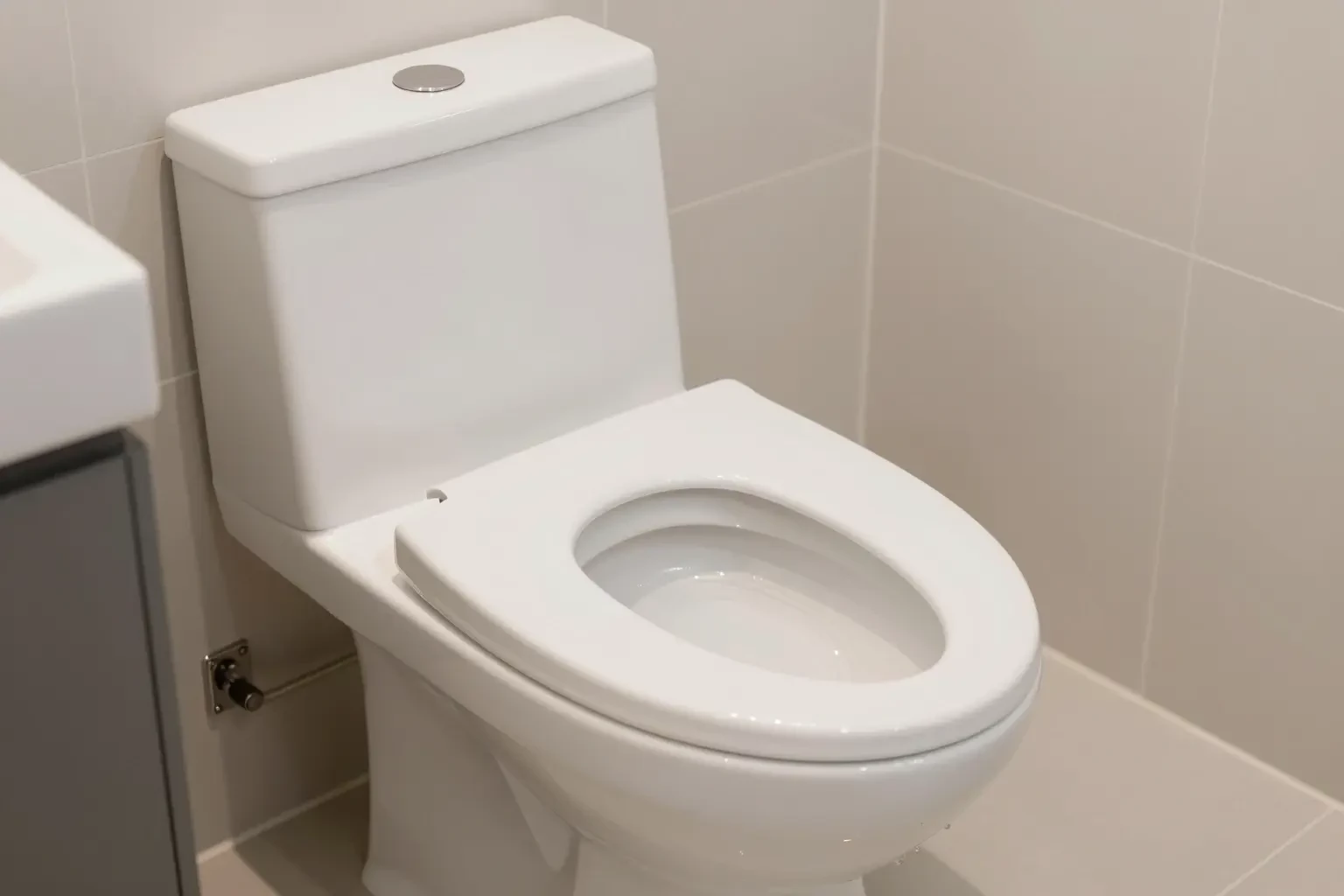
The phenomenon of water movement in a toilet bowl can be puzzling. Understanding the underlying causes requires a look into the plumbing dynamics involved, which encompass air pressure, siphoning, and atmospheric pressure effects. These elements, along with the structure of the drainage system, play significant roles in causing fluctuations in the water level of your toilet.
The Role of Air Pressure
Air pressure is a critical component in the movement of water within plumbing systems. Changes in atmospheric pressure, caused by weather or indoor conditions, can influence the water level in your toilet bowl. When the air pressure inside the bathroom changes relative to the atmospheric pressure outside, it can create a push or pull effect, causing water to move unexpectedly. This is especially noticeable during rapid weather changes.
Siphoning and Water Movement
Siphoning occurs when the water is drawn out of the toilet bowl due to a pressure difference between two points in the plumbing system. This can happen if there is a sudden release of water elsewhere in the plumbing, such as when another toilet is flushed or a sink is drained. The resulting pressure change can cause the water to be pulled from the toilet bowl, leading to noticeable fluctuations in water level.
Understanding Your Toilet’s Vent Pipe
The vent pipe in a plumbing system is designed to regulate air pressure and allow sewer gases to escape safely. If this pipe becomes blocked or inefficient, it can cause plumbing issues such as gurgling sounds and erratic water flow in the toilet. A blocked vent pipe can lead to improper air balance, which affects the drainage system and can cause water to siphon from the toilet bowl unexpectedly.
Drainage System and Water Flow
The drainage system is integral to maintaining steady water flow and preventing blockages. When a drain pipe is partially blocked, it can create a suction effect, pulling water from the toilet bowl and creating movement. Regular plumbing maintenance is essential to ensure that all pipes are clear and functioning correctly, reducing the likelihood of unpredictable water levels.
Impact of Atmospheric Pressure
Atmospheric pressure can also impact water movement in your toilet. High atmospheric pressure can suppress water levels, while low pressure can cause them to rise. These changes can lead to visible water movement in the toilet bowl, particularly if the plumbing system is sensitive to pressure changes.
Addressing Plumbing Issues
To resolve plumbing issues that cause water movement, inspecting the toilet tank and its components is crucial. Ensuring that the toilet’s flapper and fill valve are functioning properly can prevent unintentional water flow, which might contribute to water level changes. Moreover, regular maintenance of the plumbing vent and drain pipe ensures optimal performance of the entire system.
Preventing Sewer Gas and Gurgling Sounds
Another concern with fluctuating toilet water levels is the potential release of sewer gas. Properly functioning plumbing vents prevent this gas from entering the bathroom. If you notice a gurgling sound from your toilet, it could indicate a blockage or venting issue that needs immediate attention to avoid unpleasant odors and potential health risks.
Maintaining Your Plumbing System
To maintain a stable water level in your toilet and prevent unexpected movement, consider the following plumbing maintenance tips:
- Regularly check for and clear any blockages in the drain pipe and plumbing vent.
- Inspect the toilet tank components to ensure they are functioning correctly.
- Monitor changes in atmospheric pressure that might affect your plumbing.
- Address any unusual sounds, such as gurgling, promptly to prevent larger issues.
Understanding the dynamics of plumbing, including air pressure, siphoning, and the effects of a vent pipe, can help you diagnose and address the reasons why the water in your toilet might be moving. By maintaining your plumbing system and being aware of these factors, you can ensure a well-functioning bathroom environment.