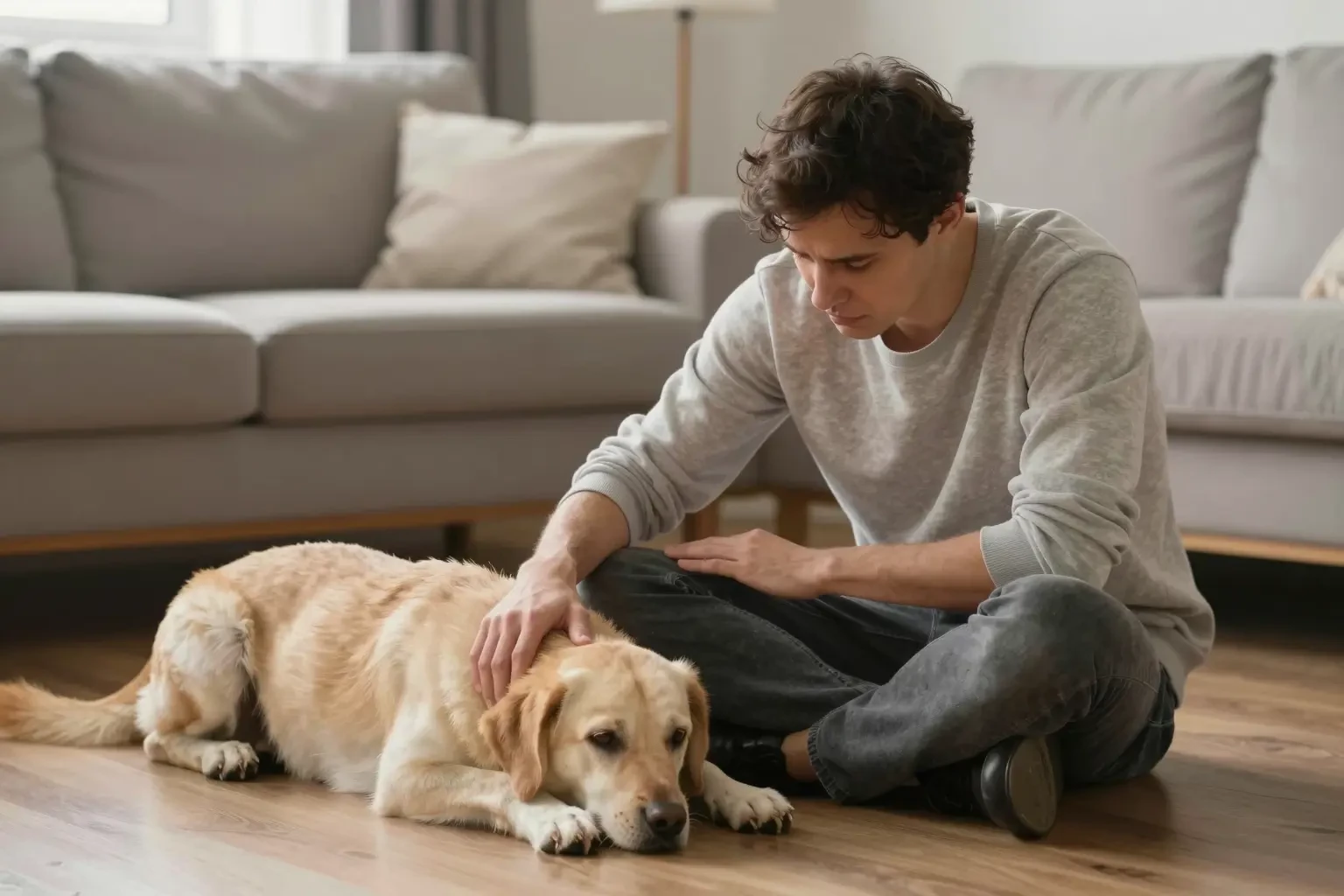
Seeing your dog exhibit signs of lethargy or immobility can be distressing for any pet owner. Dogs‚ being generally active and energetic creatures‚ show noticeable behavioral changes when something is amiss. Understanding the potential causes of immobility in dogs is crucial for timely diagnosis and treatment. In this article‚ we will explore the possible reasons why your dog might not be moving‚ the symptoms to watch for‚ and what steps to take to ensure your pet’s health and well-being.
Possible Causes of Immobility in Dogs
There are several potential reasons why a dog may stop moving or exhibit reduced mobility. These can range from minor issues to serious health concerns. Below are some common causes:
- Injury or Trauma: Physical injuries such as fractures‚ sprains‚ or wounds can lead to pain and discomfort‚ causing your dog to become immobile.
- Illness or Disease: Conditions like arthritis‚ hip dysplasia‚ or Lyme disease can cause joint pain and weakness‚ leading to mobility issues.
- Paralysis: Neurological disorders or spinal injuries may cause paralysis‚ affecting your dog’s ability to move.
- Fatigue: Excessive exercise or lack of rest might result in temporary fatigue and lethargy.
- Anxiety or Stress: Psychological factors can cause a dog to withdraw or refuse to move.
- Weakness: General weakness due to malnutrition or underlying health conditions can impact mobility.
Recognizing the Symptoms
Identifying the symptoms accompanying your dog’s immobility can help in pinpointing the underlying cause. Here are some signs to look out for:
- Appetite Loss: A decrease in food intake can indicate pain or discomfort.
- Behavioral Changes: Noticeable changes in behavior‚ such as increased aggression or withdrawal.
- Pain or Discomfort: Whining‚ whimpering‚ or avoiding certain movements could signal pain.
- Fatigue: Persistent tiredness and lack of energy.
- Mobility Issues: Difficulty in standing up‚ walking‚ or climbing stairs.
When to Contact a Veterinarian
If your dog is not moving and you notice any of the symptoms mentioned‚ it is crucial to contact a veterinarian. Prompt veterinary attention can prevent a minor issue from escalating into an emergency. Here are situations where immediate veterinary care is necessary:
- Severe Injury: Visible wounds or fractures require urgent medical attention.
- Sudden Paralysis: Immediate action is needed if your dog suddenly loses the ability to move.
- Persistent Symptoms: If symptoms like pain‚ lethargy‚ or appetite loss persist for more than 24 hours.
- Signs of Severe Illness: High fever‚ vomiting‚ or severe diarrhea accompanying immobility.
Diagnosis and Treatment
Once you reach the veterinarian’s office‚ they will conduct a thorough examination to diagnose the cause of immobility. This may include:
- Physical Examination: Checking for signs of injury‚ pain‚ or discomfort.
- Diagnostic Tests: X-rays‚ blood tests‚ or MRI scans may be necessary to identify internal issues.
- Neurological Assessment: Evaluating nerve function for signs of paralysis or neurological disorders.
Treatment will depend on the diagnosis and may involve:
- Medication: Pain relievers‚ anti-inflammatories‚ or antibiotics for infections.
- Physical Therapy: Rehabilitation exercises to restore mobility.
- Surgery: In cases of fractures‚ severe injuries‚ or spinal issues.
- Behavioral Therapy: For anxiety or stress-related immobility.
Preventive Measures
While not all causes of immobility can be prevented‚ certain measures can reduce the risk of injury or illness:
- Regular Check-ups: Routine veterinary visits to detect early signs of health issues.
- Safe Environment: Ensuring your home and yard are free from hazards that could cause injury.
- Proper Nutrition: A balanced diet to maintain strength and prevent weakness.
- Exercise: Regular‚ moderate exercise to keep your dog fit without causing fatigue.
Observing your dog struggling with mobility can be a worrying experience. By understanding the potential causes and symptoms of immobility‚ you can take proactive steps in seeking veterinary care and ensuring your dog’s comfort and recovery. Always prioritize your pet’s health and well-being‚ as they rely on you for their care and safety.