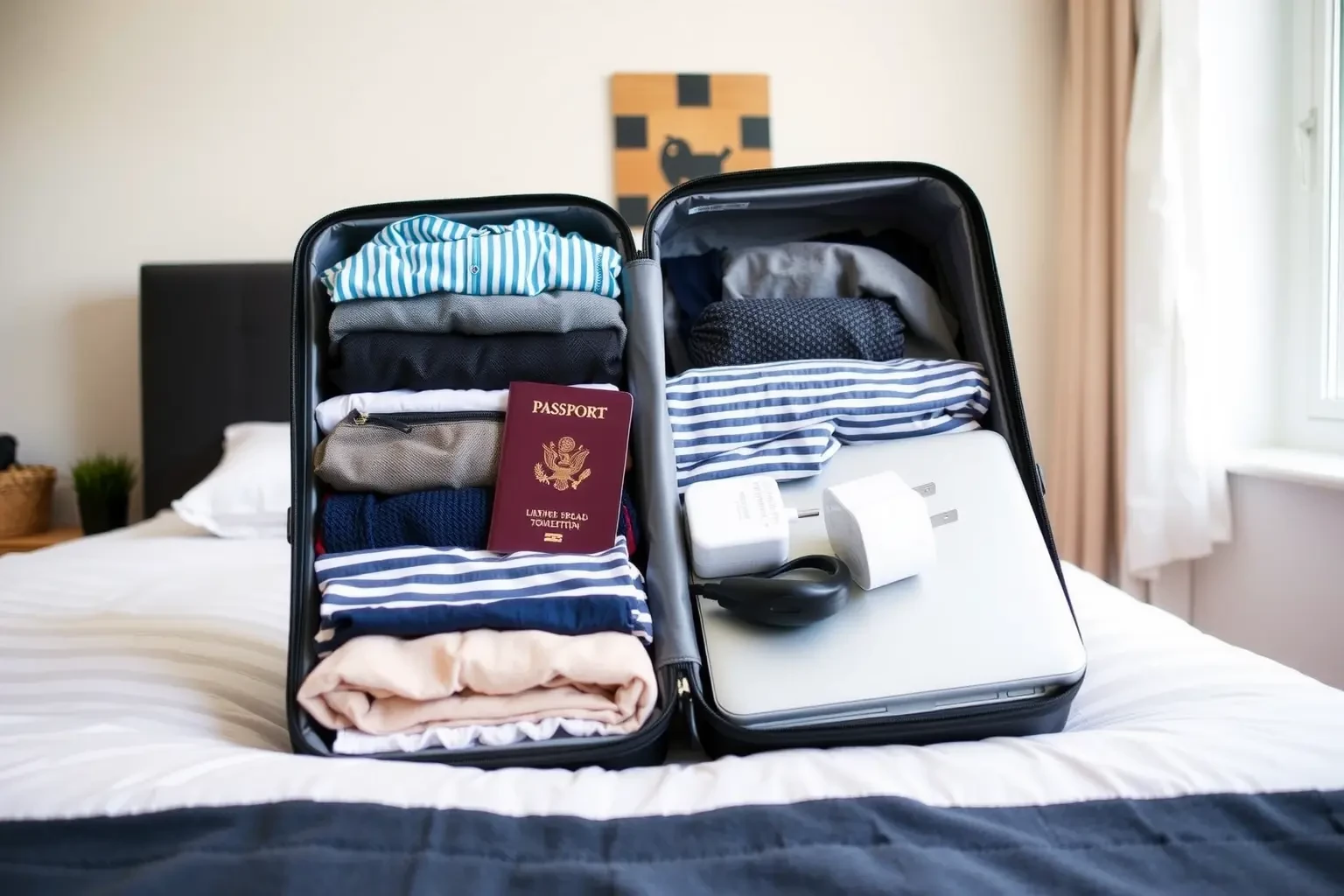
Relocating to a different country is an exciting adventure filled with the promise of new experiences and opportunities. However‚ the process of an international move can be daunting‚ especially when it comes to packing. In this comprehensive guide‚ we’ll explore the essentials for your move abroad‚ including packing tips‚ a travel checklist‚ and important documentation to ensure a smooth transition.
Packing Essentials for an International Move
When moving abroad‚ it is crucial to plan your packing strategy carefully. Consider the following essentials:
- Clothing: Pack versatile clothing suitable for the climate of your destination. Consider layering options and cultural norms.
- Electronics: Bring necessary gadgets and remember to check voltage requirements. Don’t forget to pack adapters for your electronics.
- Toiletries: While many items can be purchased abroad‚ pack your favorite brands and any specialty items you may need.
- Medication: Ensure you have an adequate supply of prescription medication‚ along with documentation from your healthcare provider.
- Personal Items: Include sentimental items like photos or mementos that will help make your new place feel like home.
Travel Checklist and Documentation
Before you embark on your journey‚ make sure you have the necessary travel documents and items:
- Passport and Visa: Ensure your passport is up to date and apply for any necessary visas well in advance.
- Customs Regulations: Familiarize yourself with the customs regulations of your destination country to avoid any surprises.
- Insurance: Obtain travel and health insurance to cover emergencies and unforeseen circumstances.
- Financial Planning: Notify your bank of your move‚ and consider opening a local bank account in your new country.
Shipping and Storage Options
Deciding what to ship and what to store is a critical part of an international move:
- Luggage: Carefully choose what goes into your luggage‚ keeping weight limits and airline regulations in mind;
- Shipping: For items you can’t take in your luggage‚ consider reputable shipping services that offer international relocation services.
- Storage: For items you wish to keep but not take abroad‚ explore storage options in your home country.
Cultural Adjustment and Language
Moving to a new country involves cultural adjustment and often a language barrier. Here are some tips to ease the transition:
- Cultural Adjustment: Research cultural norms and etiquette to better integrate into your new community.
- Language: If you’re moving to a non-English-speaking country‚ consider learning the basics of the local language before you go.
Housing and Transportation
Securing housing and understanding transportation options are key aspects of settling in:
- Housing: Research neighborhoods‚ housing costs‚ and rental agreements to find suitable accommodation.
- Transportation: Familiarize yourself with public transportation options‚ or consider purchasing a vehicle if necessary.
Climate Adaptation and Legal Requirements
Adapting to a new climate and understanding legal requirements are essential for a successful move:
- Climate Adaptation: Prepare for the weather conditions of your new location and pack accordingly.
- Legal Requirements: Ensure you understand the legal requirements for expatriates‚ including residency permits and work visas.
Settling In as an Expatriate
Once you’ve arrived‚ focus on settling in and establishing a sense of normalcy:
- Communication: Set up internet and phone services to stay connected with family and friends.
- Social Integration: Join local groups or clubs to meet new people and build a support network.
By following these guidelines and preparing thoroughly‚ your international move can be a seamless and enriching experience. Embrace the adventure‚ and enjoy the new opportunities that await you in your new home.