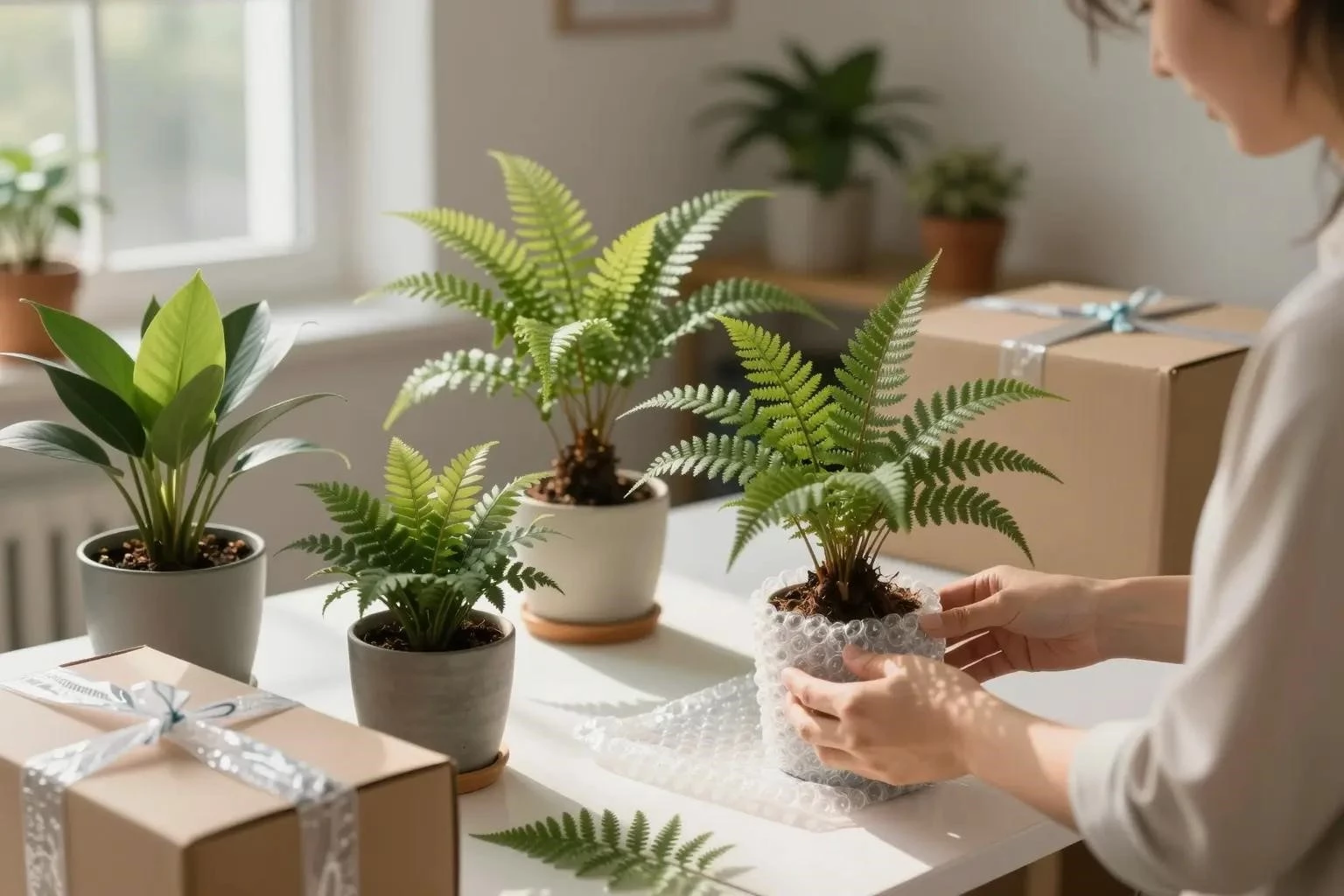
Moving house can be a thrilling yet challenging experience, especially for plant lovers who have turned their homes into lush sanctuaries with diverse types of greenery. Packing plants for relocation requires careful planning and execution to ensure their health and safety during transit. Whether you are moving across town or across the country, understanding the intricacies of plant transport is essential. This guide will provide you with all the necessary tips and techniques to ensure that your container plants arrive at their new home in excellent condition.
Understanding Plant Care During Moving
Before diving into the logistics of packing plants, it’s important to understand the foundational aspects of plant care. Moving can be stressful for plants, so it’s essential to focus on their plant health. Here are some key considerations:
- Watering: Ensure that your plants are adequately watered a day or two prior to moving. However, avoid over-watering to prevent soggy roots and mold.
- Inspection: Check your plants for any signs of pests or disease before relocation. Addressing these issues early on will help prevent the spread during the move.
- Trimming: Prune any dead or damaged leaves and stems. This not only promotes better growth but reduces the volume of the plant, making handling easier.
Preparing Your Plants for Relocation
Once you’ve assessed the health of your plants, it’s time to start preparing them for transport. Here are some crucial moving tips to keep in mind:
Create a Relocation Checklist
A detailed relocation checklist can help streamline the packing process. Here’s a basic outline:
- Gather packing supplies: boxes, bubble wrap, brown paper, packing tape, and scissors.
- Identify which plants will be moved and their respective sizes.
- Secure any loose soil to avoid spills during transport.
- Choose appropriate travel containers for each plant based on their size and type.
Choosing the Right Packing Materials
Using the proper packing materials is critical to ensure plant safety. Here’s what you’ll need:
- Moving boxes: Choose sturdy boxes that are slightly larger than the plants to allow for extra cushioning.
- Bubble wrap: This is ideal for wrapping around fragile plant pots to prevent breakage.
- Brown paper: Useful for wrapping around the greenery to protect the leaves and stems.
- Plastic bags: Consider using these for soil protection, especially for transporting plants with loose soil.
Packing Techniques for Safe Transport
The right packing techniques will ensure your plants are securely held during transport. Here are some effective methods:
Secure the Plants
To secure plants, follow these steps:
- For smaller plants, place them in a plastic travel container or a smaller box. Make sure the container has sufficient air circulation.
- Wrap larger plants with bubble wrap to cushion the leaves and lignify stems. Secure with packing tape.
- Fill any empty spaces in your boxes with crumpled paper or additional packing materials to prevent movement during the journey.
Root Protection
Roots are crucial for maintaining plant health. Here are protective measures for roots:
- If the plant is in a pot with loose soil, consider wrapping the root ball in a wet towel or plastic to keep it moist during travel.
- Avoid removing plants from their pots unless absolutely necessary; if you must, wrap the roots in damp moss or newspaper.
- Use a container that prevents soil spillage while still providing airflow.
Transporting Greenery: Special Considerations
When it comes to shipping plants or transporting greenery, special consideration is needed:
Climate Control
Plants are sensitive to temperature changes, so climate control is essential. If moving in extreme weather conditions, consider the following:
- Transport plants in a climate-controlled vehicle whenever possible.
- Avoid leaving plants in a hot or cold car for extended periods.
- Monitor the weather forecast to plan the best moving day, avoiding temperatures that are too hot or freezing.
Air Circulation
Air circulation is vital for healthy plants during transport. Here are some tips:
- Ensure that moving boxes or containers have holes or slits for ventilation.
- If using plastic wrapping, ensure it doesn’t completely encase the plant, restricting airflow.
Plant Storage and Maintenance
If you cannot immediately place your plants in their new location, plan for plant storage:
- Keep plants in a cool, shaded area with indirect sunlight.
- Check the moisture level of the soil and water as needed to prevent dehydration.
- Avoid placing plants in direct contact with cold surfaces or heating vents.
Arranging Plants in Your New Home
Once you arrive at your new home, it’s important to carefully arrange your plants for optimal health. Consider these plant arrangement tips:
- Provide adequate space to allow for air circulation and ease of access.
- Group plants with similar light and water requirements together.
- Avoid placing them near heating or cooling vents to prevent temperature stress.
Moving plants becomes much less daunting when you have a solid understanding of transport logistics and the necessary precautions to ensure their safety. By utilizing the right packing materials, following effective packing techniques, and being mindful of their environmental needs during transport, you can ensure that your beloved plants arrive healthy and ready to thrive in their new home. With these tips in hand, you can confidently embark on your moving journey while safeguarding your precious greenery!
This article incorporates the specified keywords while providing a structured, comprehensive guide on how to pack plants for moving. It emphasizes careful planning, preparation, and execution to support plant health throughout the process.