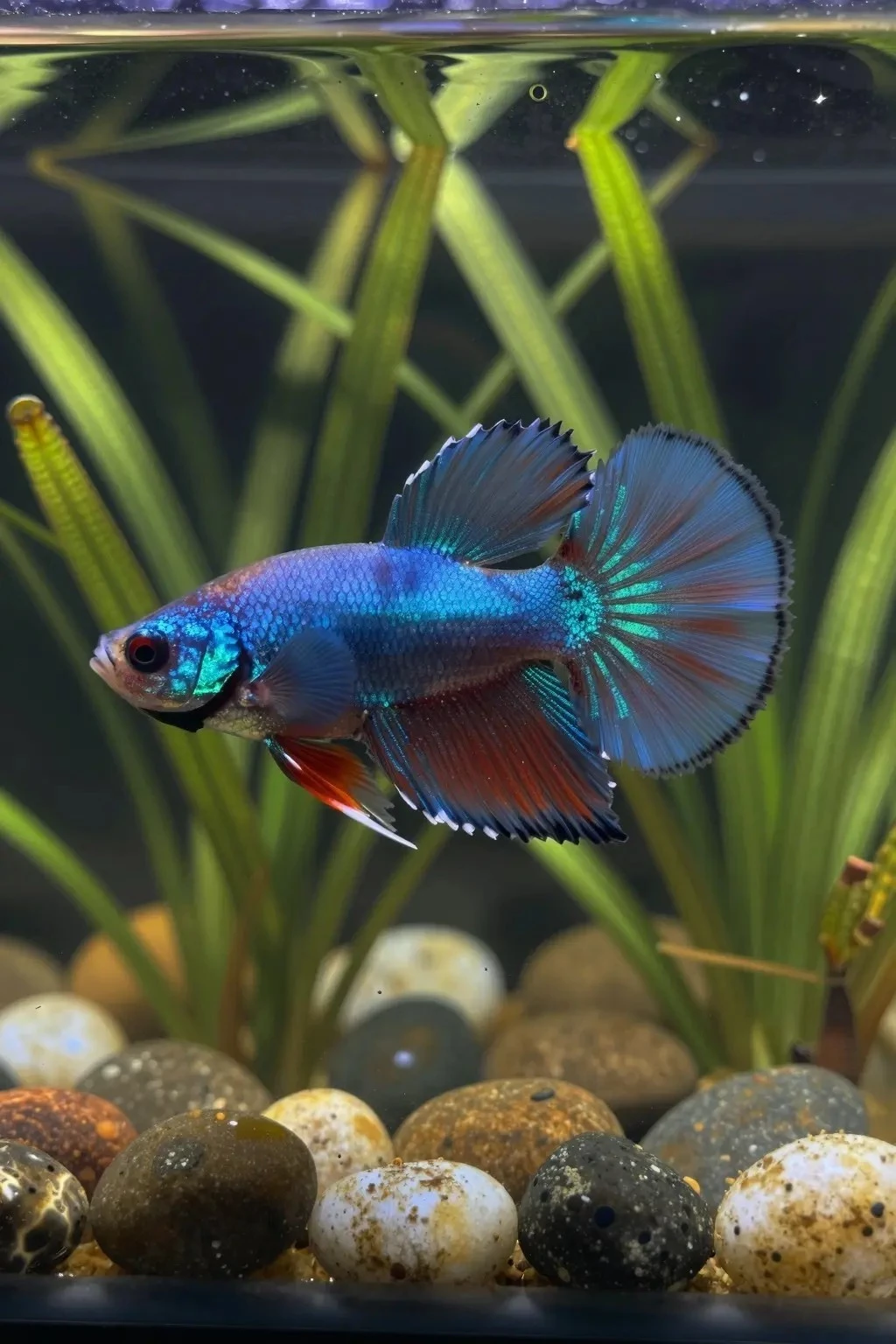
Betta fish are known for their vibrant colors and lively personalities, making them a popular choice among aquarists. However, if you notice your betta fish exhibiting lethargy or not moving as much as usual, it can be a cause for concern. Several factors could contribute to this behavior, ranging from environmental issues to health problems. Understanding these factors is crucial for ensuring proper betta fish care.
Common Causes of Lethargy in Betta Fish
Water Quality
One of the most critical aspects of betta fish care is maintaining good water quality. Poor water conditions can lead to stress and illness. High ammonia levels are particularly harmful. Regularly test the water to ensure ammonia, nitrite, and nitrate levels are safe. Proper filtration and regular water changes are essential to maintain a healthy environment.
Temperature
Betta fish are tropical creatures that thrive in water temperatures between 76°F and 82°F. If the water is too cold, it can slow their metabolism, leading to lethargy. Always monitor and adjust the temperature to keep your betta comfortable.
Stress
Stress can significantly impact a betta’s behavior. Factors like aggressive tank mates, sudden changes in the environment, or improper aquarium size can stress your fish. Ensure your betta has a peaceful habitat with ample space and appropriate decorations for hiding.
Illness
Several illnesses can cause lethargy in bettas. Fin rot, swim bladder disease, and other infections may hinder their ability to move. Observing your fish closely for any physical changes or unusual fish behavior can help identify potential health issues early.
Nutrition
Proper nutrition is vital for a betta’s health. A diet lacking essential nutrients can lead to poor energy levels. Ensure your betta receives a balanced diet of high-quality pellets, supplemented with occasional treats like brine shrimp or daphnia.
pH Levels
Betta fish prefer a slightly acidic to neutral pH, around 6.5 to 7.5. Extreme pH levels can cause stress and discomfort. Regularly testing and adjusting pH levels can help maintain a conducive environment for your fish.
Importance of Observation and Environment
Regular observation is key in identifying any issues early. Pay attention to your betta’s behavior, color, and appetite. A sudden change could indicate a potential problem. Additionally, ensure the aquarium is appropriately sized and well-oxygenated, as these factors can affect your fish’s health and activity.
Steps to Take if Your Betta Fish Is Not Moving
- Test and adjust water parameters: Ensure ammonia, nitrite, and nitrate levels are within safe limits, and adjust pH levels if necessary.
- Check the temperature: Use a reliable aquarium thermometer to ensure the water temperature is in the ideal range for bettas.
- Assess the environment: Make sure the aquarium is spacious enough and check for any aggressive tank mates that may be causing stress.
- Evaluate diet and feeding habits: Provide a balanced diet and avoid overfeeding, which can lead to swim bladder issues.
- Observe for signs of illness: Look for symptoms such as clamped fins, discoloration, or bloating, and consult a vet if needed.
Addressing lethargy in betta fish involves a comprehensive approach, focusing on maintaining optimal water conditions, providing a balanced diet, and ensuring a stress-free environment. By being a diligent aquarist and paying close attention to these factors, you can help your betta lead a healthy and active life.