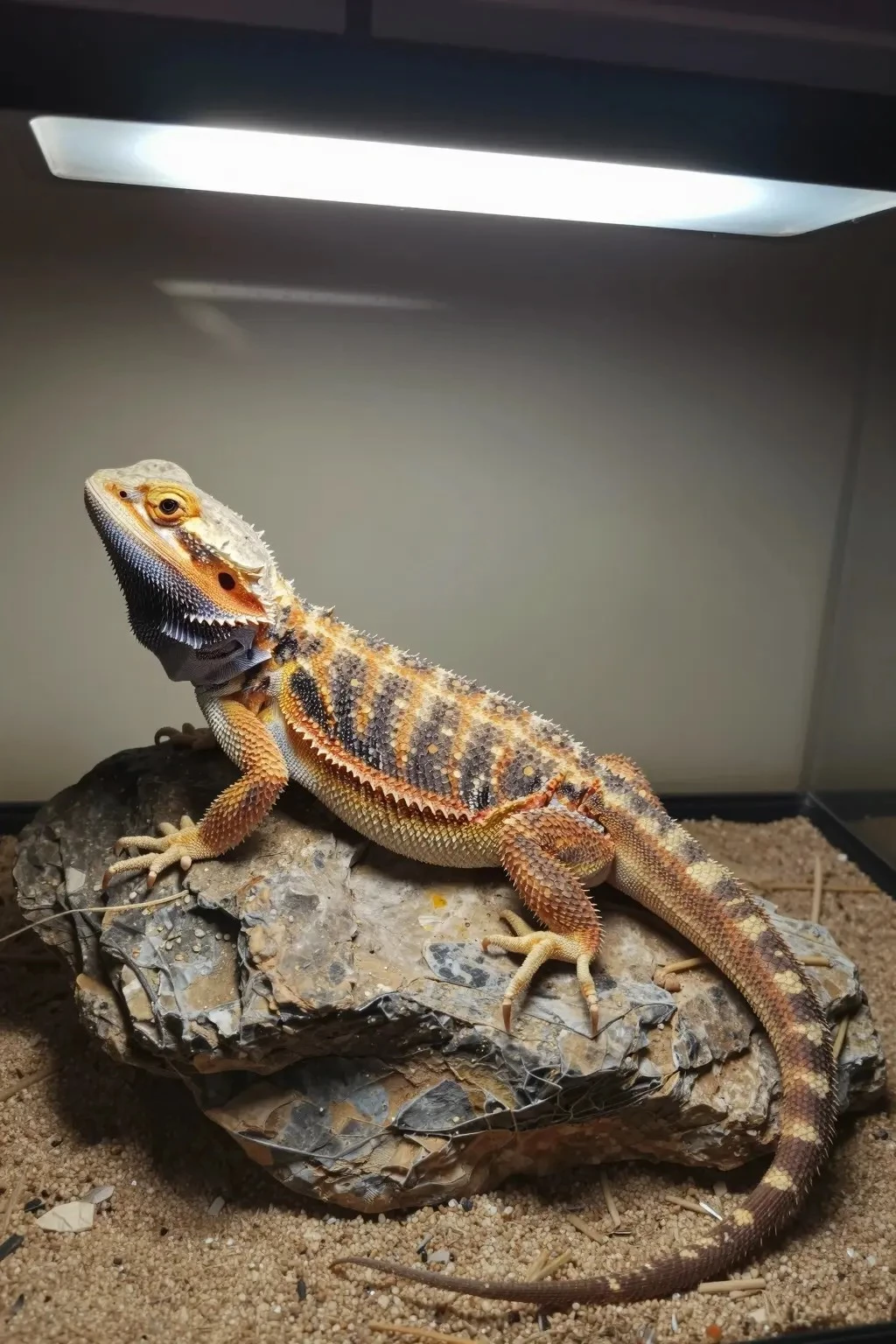
Bearded dragons are fascinating reptiles known for their docile nature and unique behaviors. However, if you find your bearded dragon not moving, it can be a cause for concern. Understanding the potential reasons behind this behavior is crucial for ensuring the well-being of your pet. In this article, we will explore various factors that might explain the lethargy in your bearded dragon, such as brumation, dehydration, temperature, lighting, nutrition, stress, illness, metabolism, enclosure, habitat, calcium deficiency, parasites, hydration, diet, and the importance of UVB light.
Brumation
Brumation is a hibernation-like state that some reptiles, including bearded dragons, undergo during colder months. During brumation, bearded dragons may become lethargic and reduce their activity levels significantly. It is a natural process, and if your dragon is healthy, there is often no need for concern. Ensuring that the enclosure’s temperature and lighting are appropriate can help your pet brumate safely.
Dehydration
Dehydration can also lead to lethargy in bearded dragons. Signs of dehydration include sunken eyes, wrinkled skin, and lack of appetite. Providing adequate hydration through water bowls and misting, as well as ensuring a diet rich in moisture, can prevent dehydration.
Temperature
Temperature plays a crucial role in a bearded dragon’s health and activity levels. If the enclosure is too cold, it can slow down the dragon’s metabolism, causing lethargy. The ideal temperature gradient in the habitat should include a basking area of around 95-110°F and a cooler area of 75-85°F. It is essential to maintain proper temperatures to keep your dragon active and healthy.
Lighting
Lighting is another critical factor. Bearded dragons require UVB light to synthesize vitamin D3, which is essential for calcium absorption. Without adequate UVB light, they can suffer from metabolic bone disease, leading to lethargy and other health issues. Ensure that your dragon has access to quality UVB lighting for about 10-12 hours a day.
Nutrition
A balanced diet is vital for a bearded dragon’s health. Inadequate nutrition can lead to lethargy and other health problems. Ensure your dragon receives a varied diet that includes insects, vegetables, and occasional fruits. Calcium supplementation is also crucial to prevent calcium deficiency and related health issues.
Stress
Stress can affect a bearded dragon’s behavior and health. Changes in the environment, improper handling, or the presence of other pets can cause stress. Providing a stable and safe environment can help reduce stress levels in your pet.
Illness
Illness can be a significant factor behind a bearded dragon’s lethargy. Conditions such as respiratory infections, parasites, or other diseases can cause your dragon to become inactive. If you suspect illness, it’s important to consult a veterinarian for a proper diagnosis and treatment.
Metabolism
The metabolism of a bearded dragon can be affected by various factors, including temperature and diet. A slow metabolism can lead to lethargy. Ensuring that your dragon’s habitat provides the right conditions can help maintain a healthy metabolism.
Enclosure and Habitat
The enclosure and habitat setup play a crucial role in your bearded dragon’s health. An improperly set up enclosure with inadequate temperature, lighting, or space can lead to lethargy. Regular cleaning and ensuring the habitat meets your dragon’s needs are essential.
Calcium Deficiency and Parasites
Calcium deficiency can lead to metabolic bone disease, causing lethargy and other severe health issues. Parasites can also affect your dragon’s health and activity levels. Regular veterinary check-ups and a balanced diet with calcium supplementation can help prevent these issues.
Several factors can contribute to a bearded dragon not moving, ranging from natural processes like brumation to health issues such as dehydration, illness, or improper habitat conditions. Understanding these factors and ensuring your dragon’s environment is well-maintained with proper temperature, lighting, and diet is crucial. If you continue to notice signs of lethargy, consulting a veterinarian is advisable to rule out any serious health concerns. By providing a suitable habitat and paying close attention to your pet’s health and diet, you can ensure your bearded dragon remains active and healthy.