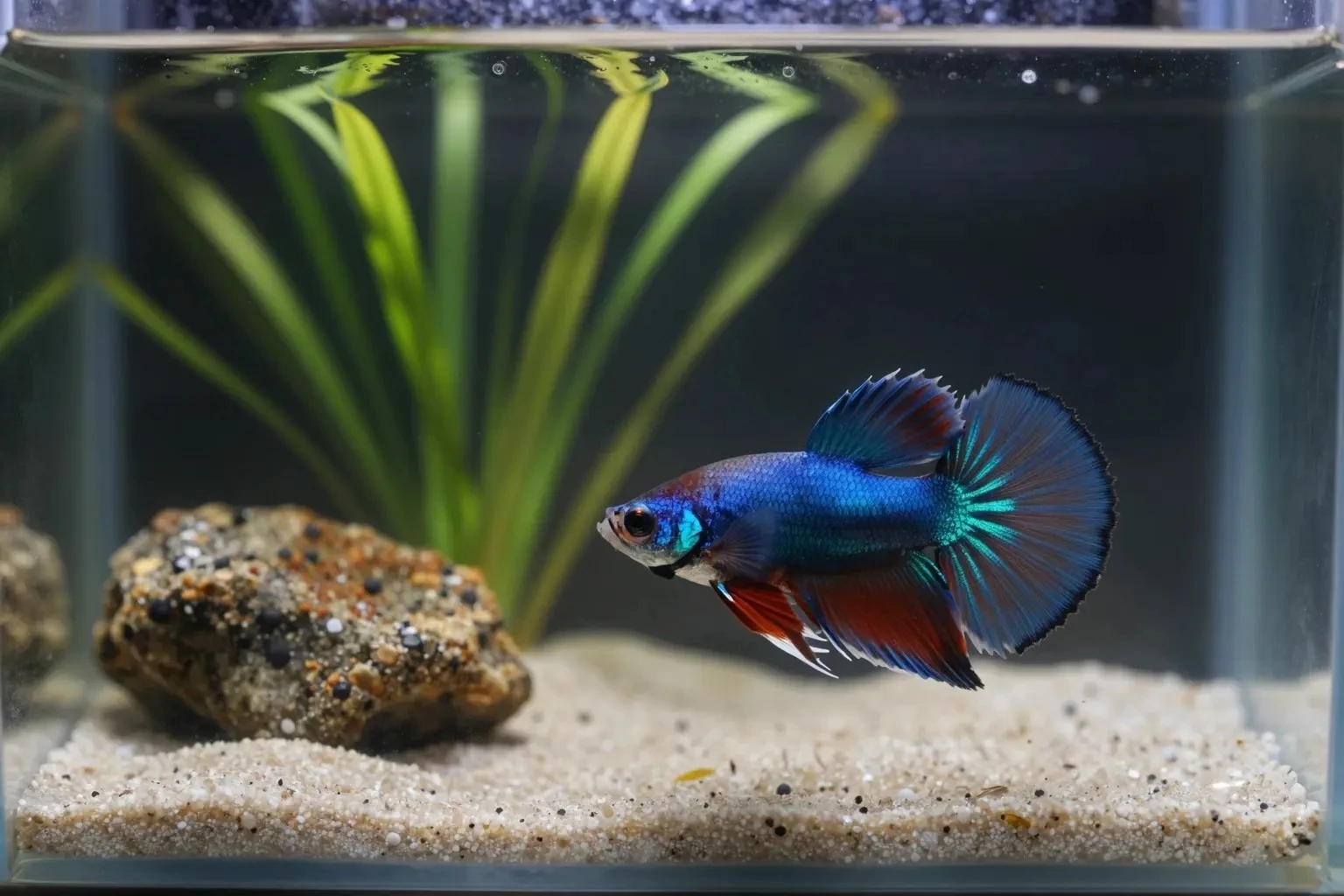
Betta fish are known for their vibrant colors and lively behavior․ When a betta fish displays lethargy or inactivity, it can be concerning for any aquarist․ Understanding the reasons behind this behavior involves examining several factors related to aquarium conditions, water quality, and overall fish health․
Understanding Betta Fish Behavior
Betta fish are generally active swimmers and exhibit curious behaviors, often interacting with their environment․ When this behavior changes, it can indicate underlying issues such as stress, illness, or poor tank environment․
Common Causes of Lethargy in Betta Fish
Water Quality
Poor water quality is one of the leading causes of lethargy in betta fish․ High ammonia levels, nitrite, and nitrate concentrations can be toxic, leading to stress and illness․ Regular testing and maintenance of water parameters are critical․
- Ammonia Levels: Elevated ammonia levels can cause serious harm to bettas, affecting their gills and leading to inactivity․
- pH Levels: Bettas thrive in slightly acidic to neutral pH levels (6․5-7․5)․ Deviations can stress the fish․
Temperature
Bettas are tropical fish and prefer water temperatures between 76°F and 82°F (24°C to 28°C)․ Cold water can slow their metabolism, causing lethargy․
Oxygenation
Proper oxygenation is essential for betta fish․ Although they can breathe atmospheric air, poor water oxygenation could lead to inactivity and stress․
Nutrition
An inadequate diet can lead to nutritional deficiencies, affecting the vitality of betta fish․ A varied diet that meets their dietary needs is essential for their health․
Swim Bladder Disorder
This disorder affects a fish’s buoyancy, making it difficult for them to swim properly․ It can be caused by overfeeding, constipation, or bacterial infection․
Stress and Tank Environment
Stress can be induced by several factors, including:
- Inadequate Tank Size: Small tanks can lead to stress and limit the fish’s ability to swim․
- Lack of Hiding Places: Bettas need places to retreat and feel secure․
- Tank Mates: Aggressive or incompatible tank mates can cause stress․
Illness and Parasites
Various illnesses and parasites can cause lethargy in bettas, including:
- Bacterial Infection: Symptoms include clamped fins, loss of appetite, and inactivity․
- Fin Rot: This condition causes the fins to appear ragged and can lead to inactivity․
- Parasites: External parasites can irritate the fish, leading to stress and lethargy․
Maintaining a Healthy Aquarium Environment
Regular aquarium maintenance is crucial to preventing lethargy in betta fish․ This includes:
- Regular water changes to maintain optimal water quality․
- Monitoring and adjusting pH, ammonia, nitrite, and nitrate levels․
- Ensuring proper filtration and oxygenation․
- Maintaining a consistent temperature within the recommended range․
- Providing a nutritious diet appropriate for bettas․
Observing a betta fish that is not moving can be alarming, but by understanding the potential causes, aquarists can take appropriate steps to address the issue․ Ensuring optimal aquarium conditions, proper nutrition, and regular monitoring of fish behavior and health are key to keeping betta fish active and thriving․