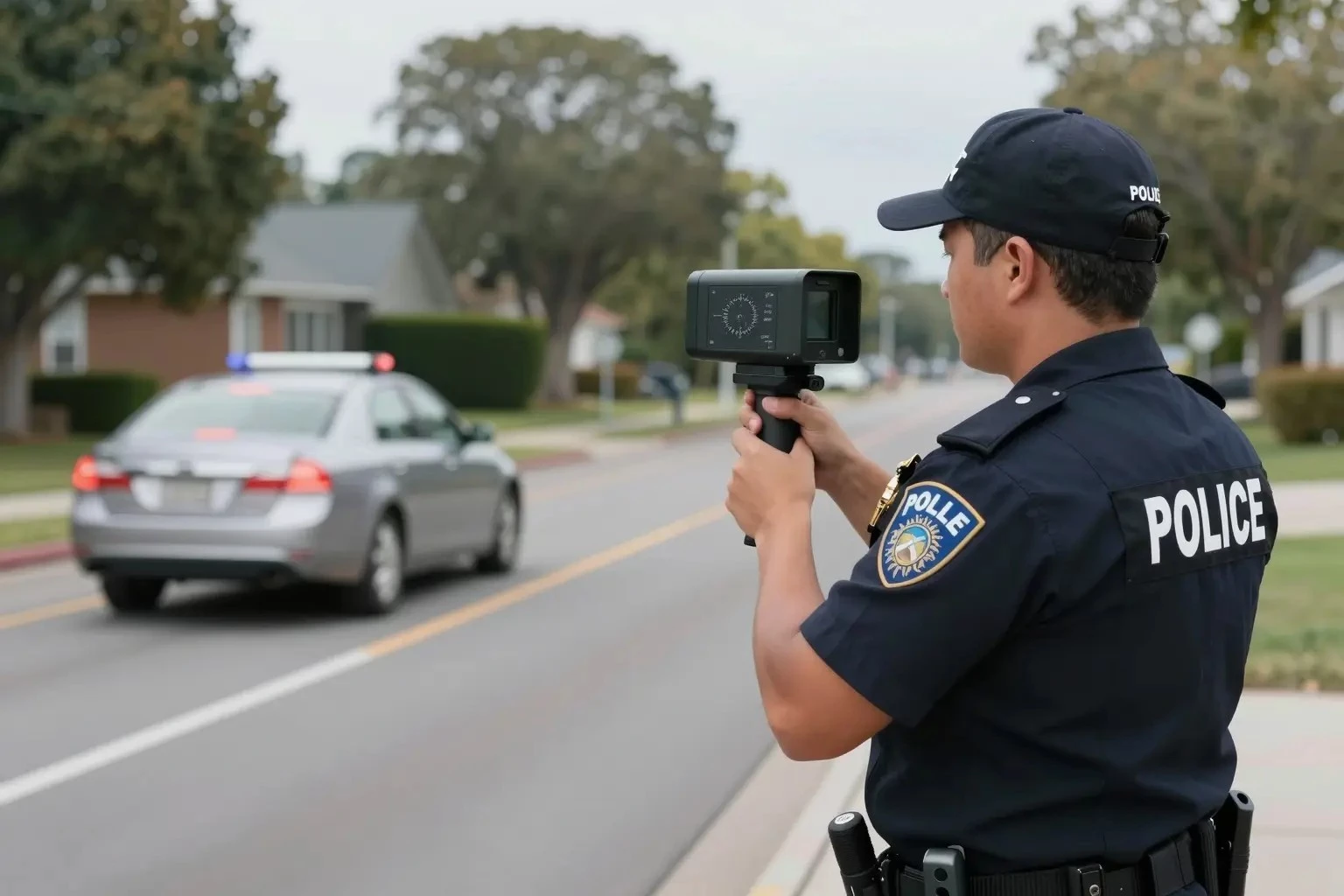
When drivers hit the road, they are expected to adhere to traffic laws designed to maintain road safety and regulate the flow of vehicles. Among the various infractions that can occur, receiving a speeding ticket is one of the most common. But is a speeding ticket considered a moving violation? This article delves into what constitutes a moving violation, the implications of a speeding ticket, and the broader legal consequences associated with such infractions.
Understanding Moving Violations
A moving violation refers to any breach of traffic laws committed by a driver while the vehicle is in motion. These violations typically include actions that compromise the safety of the driver, passengers, and others on the road. Examples of moving violations include running a red light, illegal turns, and, notably, speeding offenses.
In contrast, non-moving violations typically occur when a vehicle is stationary, such as parking infractions or issues with vehicle maintenance like broken taillights.
The Nature of Speeding as a Moving Violation
When a driver exceeds the posted speed limit, this action qualifies as a speeding offense. Since the vehicle is in motion during the infraction, a speeding ticket is indeed categorized as a moving violation. This classification is important because it influences how the violation is recorded and what penalties are imposed.
Consequences of a Speeding Ticket
Receiving a citation for speeding can lead to a variety of penalties, impacting both your driving record and financial situation. Here are some key consequences:
License Points
Most states in the U.S. operate a points system managed by the DMV (Department of Motor Vehicles). When a driver receives a traffic ticket for a moving violation such as speeding, points are typically added to their license. Accumulating too many points can lead to further action, such as license suspension.
Fines and Financial Penalties
A traffic ticket for speeding often comes with a monetary fine. The amount can vary widely depending on the jurisdiction, the degree to which the speed limit was exceeded, and any prior offenses.
Impact on Insurance Rates
Insurance companies often view moving violations as indicators of risky driving behavior. Consequently, a speeding ticket can lead to increased insurance rates. The extent of the increase can depend on the severity of the violation and the driver’s overall driving record.
Legal Consequences and Traffic Court
In some cases, a driver may contest the speeding ticket in traffic court. If the court finds the driver guilty, the consequences can include higher fines, additional points on the license, and possible driving restrictions. Legal representation can be beneficial in such situations to navigate the complexities of traffic law.
Driver Responsibility and Road Safety
Adhering to speed limits is a fundamental aspect of driver responsibility. Speeding increases the risk of accidents, endangering not only the driver but also other road users. Effective enforcement of speed limits is crucial for maintaining road safety. Law enforcement agencies use various tools, such as speed cameras and radar guns, to monitor compliance and issue violation notices.
Importance of Understanding Traffic Laws
For drivers, understanding the implications of traffic laws, particularly those regarding moving violations, is essential. Awareness of the legal consequences and potential penalties can encourage compliance and promote safer driving habits.