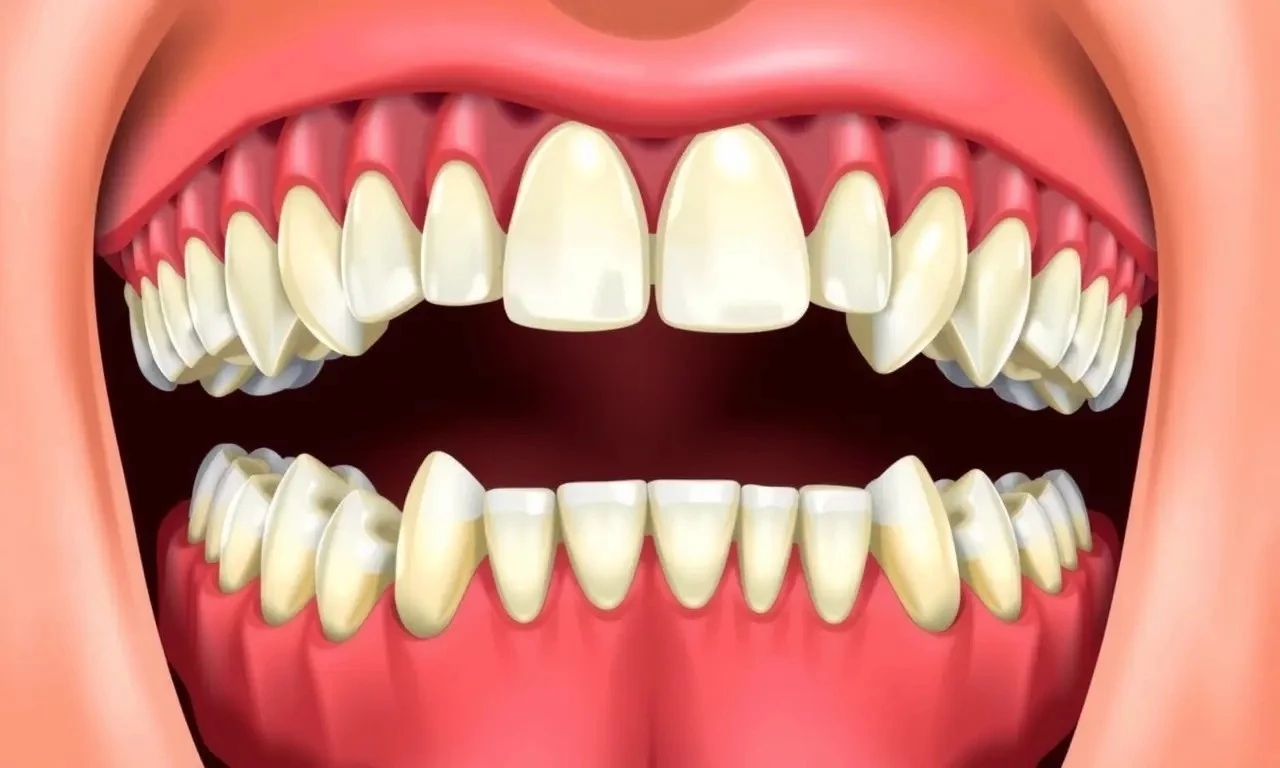
Teeth movement is a topic of interest for many, especially those considering or undergoing orthodontic treatment. Understanding the dynamics of teeth alignment and the influences on dental positioning can be crucial for maintaining long-term dental health. In this article, we will explore the factors that affect tooth movement, the role of orthodontics, and when teeth are likely to stabilize.
Understanding Teeth Movement
Teeth are not fixed rigidly in the jaw but are rather anchored by periodontal ligaments. These ligaments allow for slight movement and adaptability, which is essential for accommodating changes in the mouth. Influences such as jaw growth, loss of teeth, or other dental shifts can prompt teeth to move over time.
The Role of Periodontal Ligaments
Periodontal ligaments are connective tissue fibers that attach the tooth to the surrounding alveolar bone. They act as shock absorbers during chewing and help in the adaptation of the tooth position in response to forces applied during orthodontic treatment. This natural ability to adapt is what makes tooth movement possible.
Orthodontics and Teeth Alignment
Orthodontics is a specialized field within dentistry focused on diagnosing, preventing, and correcting malpositioned teeth and jaws. It involves the use of dental appliances like dental braces and retainers to guide teeth into their desired positions.
How Dental Braces Work
Dental braces apply continuous pressure over time to move teeth into a desired position. This process involves bone remodeling, where old bone tissue is broken down, and new bone is formed, allowing the teeth to shift.
Adult Orthodontics
While orthodontic treatment is often associated with children and teenagers, adult orthodontics is becoming increasingly common. Advances in orthodontic techniques have made it possible for adults to achieve successful results, although the process might be slower due to the maturity of the bone structure.
Factors Influencing Teeth Stabilization
Teeth stabilization usually occurs when the influences that cause movement are minimized, and the tooth positions are maintained over time. Several factors can influence when and how teeth stabilize:
- Age: As individuals age, the rate of jaw growth slows down, and teeth movement becomes less pronounced.
- Orthodontic Treatment: Successful completion of orthodontic treatment often involves the use of retainers to maintain the new tooth positions.
- Dental Health: Maintaining good oral hygiene and regular dental check-ups can prevent issues such as gum disease, which can affect tooth stability.
The Importance of Retainers
Following orthodontic treatment, retainers are crucial for teeth stabilization; They help in holding the teeth in their new positions while the bone and ligaments adjust to the changes. The duration for wearing retainers can vary, with some cases requiring long-term use to prevent relapse.
Impact of Dental Development and Oral Hygiene
Dental development continues throughout life, and factors like wisdom teeth eruption can influence tooth positioning. Maintaining excellent oral hygiene is vital in preserving the health of the periodontal ligaments and preventing diseases that could lead to unwanted tooth movement.
Maintaining Dental Health
Regular brushing, flossing, and professional cleanings are integral to keeping the teeth and gums healthy. These practices help in preventing plaque buildup, which can lead to periodontal disease and impact the stability of teeth.
In conclusion, teeth do not entirely stop moving at any specific age. However, they tend to stabilize once the major factors influencing movement are controlled or minimized. Through the use of orthodontic treatments, such as dental braces and retainers, and maintaining good dental health, individuals can achieve and maintain proper teeth alignment. Understanding the principles of tooth movement and stabilization can aid in making informed decisions about oral health and orthodontic care.
By integrating proper oral hygiene practices and seeking professional guidance, individuals can ensure their teeth remain healthy and stable throughout their lives.