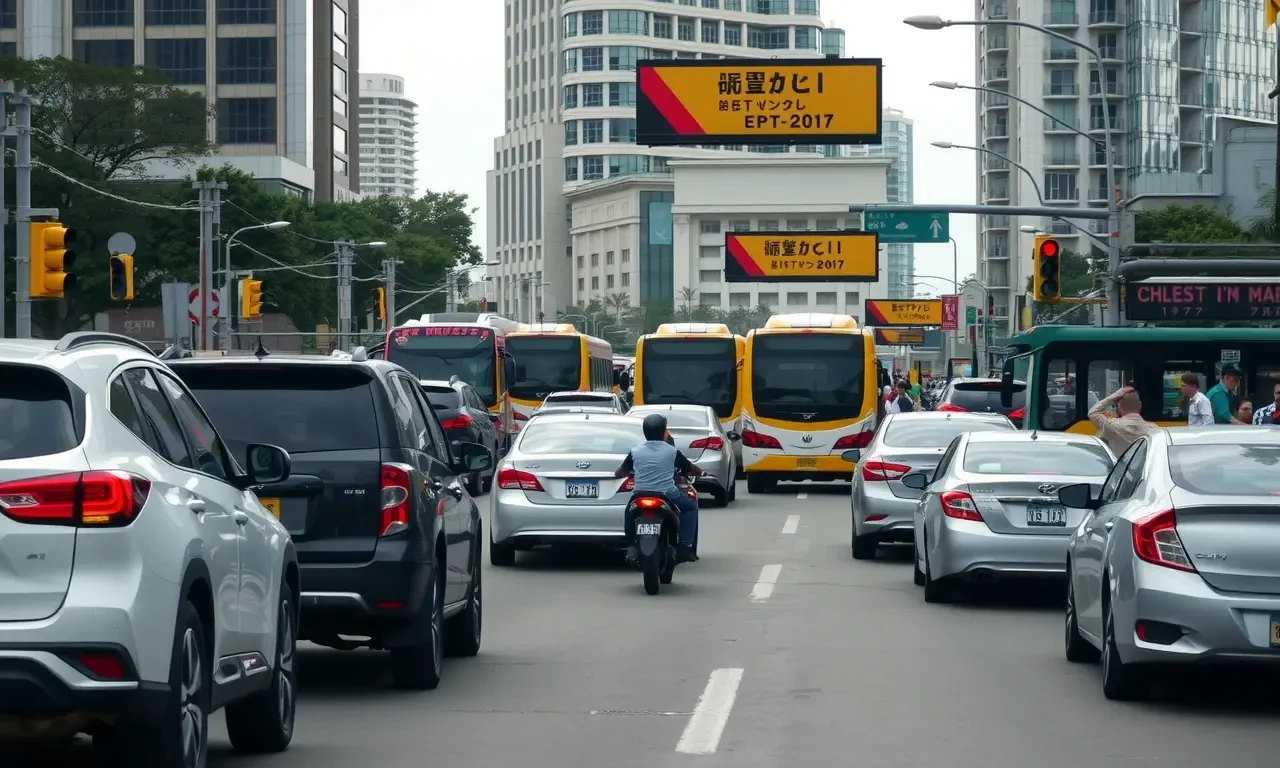
A moving traffic violation is an infraction of traffic laws that occurs when a vehicle is in motion. These violations are significant because they directly affect road safety and can lead to penalties such as fines, points on a driver’s license, or other legal consequences. Understanding moving traffic violations is crucial for all drivers to ensure compliance with traffic regulations and maintain safety on the roads.
Understanding Traffic Laws
Traffic laws are established to regulate vehicles on the road, ensuring orderly and safe transportation. These laws cover a wide range of rules, from speed limits to traffic signals, all designed to protect drivers, passengers, and pedestrians. Law enforcement agencies are responsible for monitoring compliance with these laws and issuing citations for any infractions.
Common Types of Moving Violations
- Speeding: Exceeding the posted speed limit is one of the most common moving violations. Speeding not only increases the likelihood of accidents but also the severity of potential crashes.
- Running a Red Light: Disregarding traffic signals can lead to collisions, especially at intersections.
- Reckless Driving: This includes aggressive driving behaviors such as tailgating, erratic lane changes, and excessive speeding.
- Driving Under the Influence (DUI): Operating a vehicle under the influence of alcohol or drugs significantly impairs judgment and reaction time.
- Failure to Yield: Not giving the right of way to other vehicles or pedestrians can cause dangerous situations.
Consequences of Moving Violations
When a driver commits a moving violation, they can face various penalties. These penalties are designed to deter unsafe driving behaviors and promote adherence to traffic regulations.
- Fines: Monetary penalties are a common consequence of moving violations. The amount can vary based on the severity of the violation and local traffic laws.
- License Points: Many jurisdictions use a points system where points are added to a driver’s license for each violation. Accumulating too many points can lead to license suspension or revocation.
- Traffic Court: In some cases, drivers may be required to appear in traffic court to address their violations. This can result in additional fines or penalties.
- Increased Insurance Rates: Moving violations can lead to higher insurance premiums as they indicate a higher risk of accidents.
- Defensive Driving Courses: Courts may mandate that offenders complete defensive driving courses as a means to improve their driving skills and knowledge.
Preventing Moving Violations
Preventing moving violations begins with a commitment to road safety and understanding traffic regulations. Here are some tips to avoid common driving offenses:
- Stay Informed: Regularly update your knowledge of traffic laws and regulations, as they can change over time.
- Practice Defensive Driving: Being aware of your surroundings and anticipating the actions of other drivers can help prevent accidents.
- Observe Speed Limits: Always adhere to posted speed limits and adjust your speed according to road conditions.
- Avoid Distractions: Keep your focus on the road and avoid using your phone or engaging in other distracting activities while driving.
- Plan Your Route: Knowing your route in advance can help you avoid last-minute decisions that might lead to violations.
The Role of Law Enforcement
Law enforcement plays a critical role in maintaining road safety by enforcing traffic laws and regulations. Officers are responsible for monitoring traffic, issuing citations, and ensuring that drivers adhere to the rules of the road. Their presence acts as a deterrent to violations and helps maintain order on the highways.
Moving traffic violations are serious infractions that can have significant consequences for drivers. By understanding and adhering to traffic laws, drivers can contribute to safer roads and avoid penalties. Whether through education, defensive driving, or compliance with regulations, every driver has a role to play in promoting road safety.