The world of riddles is a captivating realm that invites us to engage in thinking and creativity. One such intriguing riddle is: “What runs around the house without moving?” This classic brainteaser is a perfect example of how a simple question can challenge our logic and ignite our imagination. Let’s dive into this riddle to explore its solution and the entertainment it provides through lateral thinking and mental exercise.
The Nature of Riddles
Before we delve into the answer to our riddle‚ it’s essential to understand what makes riddles such a compelling form of entertainment. Riddles are questions or statements intentionally phrased to require creative thinking and a grasp of language nuances to solve. They often play with words‚ double meanings‚ and concepts that require us to think outside the box.
The Role of Imagination and Fun
Riddles engage our imagination and sense of fun. The challenge of solving a riddle lies in breaking free from conventional thinking and exploring possibilities that might initially seem illogical. This process is not just about finding the solution but also enjoying the journey of discovery. Riddles encourage us to use our minds in ways that are both playful and intellectually stimulating.
The Riddle Unveiled
Now‚ let’s tackle the riddle: “What runs around the house without moving?” At first glance‚ the question seems paradoxical. How can something run without moving? Here lies the beauty of the riddle—it requires us to look beyond the literal interpretation and consider other meanings of ‘running’ and ‘house’.
The Answer
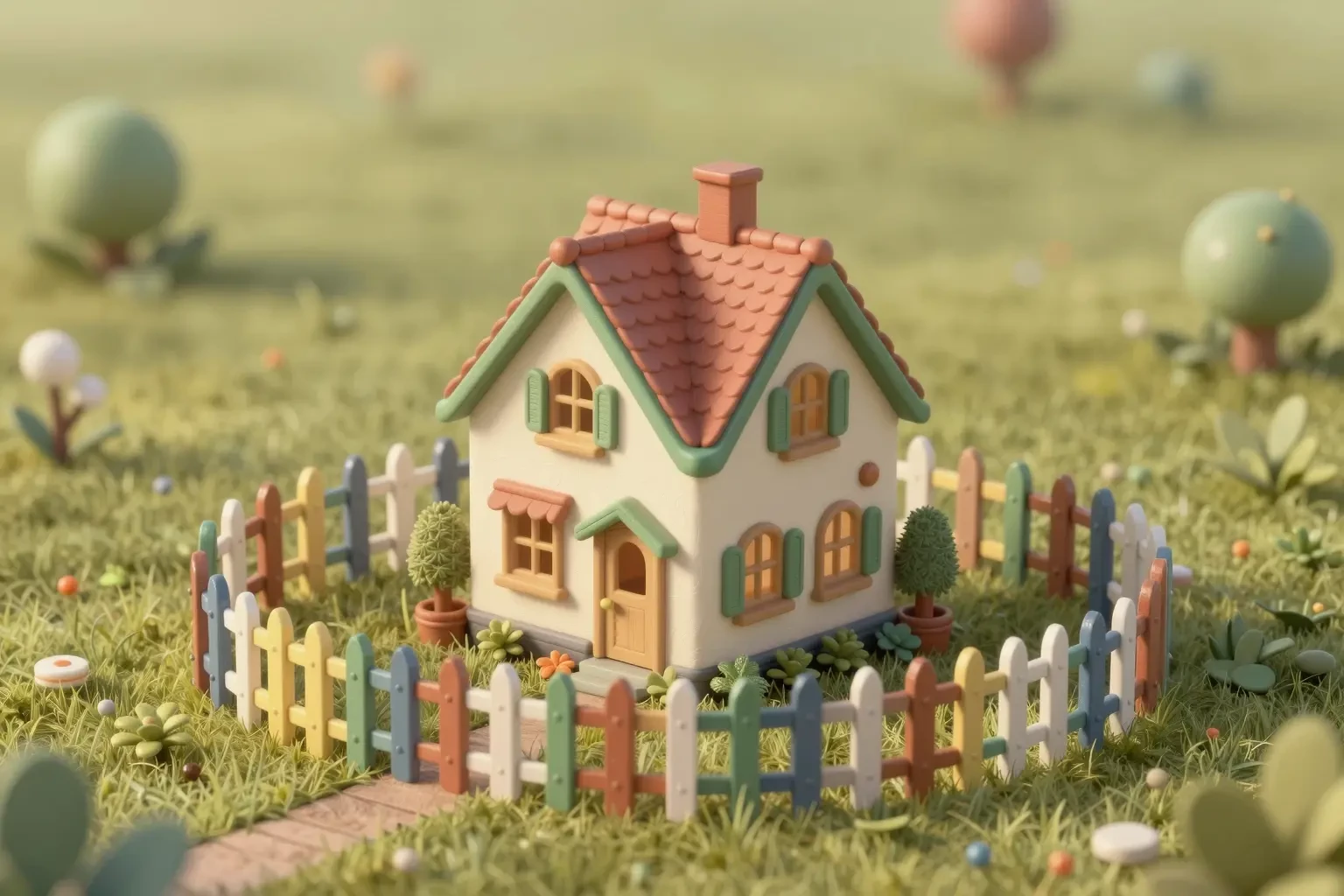
The answer to this riddle is a fence. A fence runs around the perimeter of a house‚ delineating its boundaries‚ yet it remains stationary. This solution exemplifies the lateral thinking required to solve many riddles. Instead of focusing solely on physical movement‚ we must consider alternative interpretations of the words used.
The Joy of Discovering Solutions
Solving riddles like this one provides a sense of satisfaction and accomplishment. When the answer becomes clear‚ it often brings a smile or laughter‚ much like a joke. The ‘aha!’ moment is not just about finding the solution; it’s about appreciating the cleverness of the riddle’s construction and the mental agility required to solve it.
The Benefits of Riddles
- Mental Exercise: Riddles are an excellent way to keep the mind sharp. They require concentration‚ logic‚ and the ability to see beyond the obvious.
- Creativity Boost: By encouraging us to think creatively‚ riddles enhance our problem-solving skills and our ability to innovate.
- Entertainment: Riddles offer a form of entertainment that is both engaging and educational. They are a fun way to pass the time and challenge ourselves.
- Social Interaction: Sharing riddles with friends and family can spark lively discussions and foster a shared sense of achievement when the solution is found.
The Role of Lateral Thinking in Riddles
Lateral thinking is a crucial aspect of solving riddles. This type of thinking involves looking at problems from different angles and using non-traditional methods to arrive at a solution. Riddles often defy straightforward logic‚ requiring us to think beyond conventional patterns and assumptions.
Applying Lateral Thinking
Consider the riddle once more: “What runs around the house without moving?” The word ‘runs’ typically implies movement‚ but through lateral thinking‚ we recognize that ‘runs’ can also mean to extend or go around something‚ as a fence does around a house. This shift in perspective is key to solving many riddles and puzzles.
Embracing the Challenge
Riddles challenge us in ways that few other forms of entertainment do. They require us to engage with language‚ logic‚ and our own imagination. By embracing the challenge of riddles‚ we not only enjoy a mental exercise‚ but we also hone skills that are useful in everyday life‚ such as problem-solving‚ critical thinking‚ and creative reasoning.
Why Riddles Remain Popular
The enduring popularity of riddles lies in their ability to entertain and educate simultaneously. They are timeless in their appeal‚ offering a blend of humor‚ mystery‚ and intellectual stimulation. Whether shared verbally‚ in books‚ or online‚ riddles continue to bring people together‚ sparking conversation and camaraderie.
The riddle “What runs around the house without moving?” is more than just a question; it’s an invitation to explore our mental faculties and enjoy the journey of discovery. The solution—a fence—teaches us to look beyond the obvious and embrace the power of lateral thinking. As we solve riddles‚ we engage in a delightful form of entertainment that sharpens our minds and enriches our lives.
So the next time you encounter a riddle‚ remember to approach it with an open mind and a playful spirit. Let the imagination take flight and the fun begin. You never know what surprising answers you might uncover!